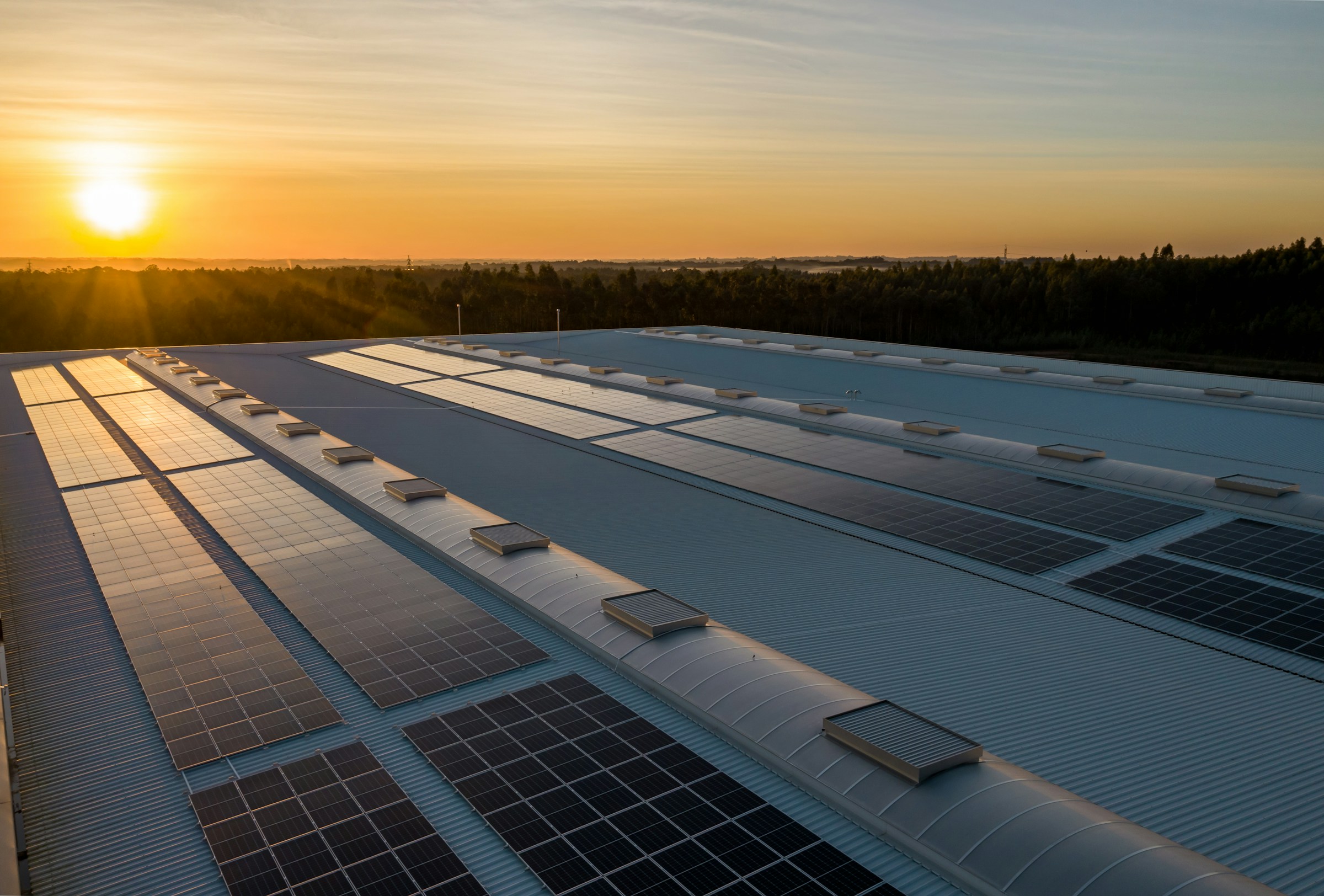
Factories, garments and warehouses
A garment facility running daytime shifts has a different load profile from a cold store or a warehouse. Review working days, shutdown periods, major motors and any planned expansion. Compare the expected solar output with actual operating demand before considering how much energy could be used on site or exported under an eligible arrangement.
Define the solar EPC scope
EPC means engineering, procurement and construction. A useful industrial proposal separates the roof survey, structural review, system design, equipment supply, installation, testing and handover. Haozailai coordinates project discussions and China–Bangladesh supply resources; the appointed contractor, responsibilities and delivery scope should be named in the written agreement.
Integrate with an operating facility
Plan access, lifting, work zones and installation timing around production. Review the factory's electrical distribution, protection, metering and any generator interface. Do not assume that adding solar automatically provides backup power. Battery storage and critical-load support require their own engineering review and agreed operating strategy.
Compare proposals on the same basis
Ask each bidder to state solar DC capacity, inverter AC capacity, equipment models, exclusions, approval responsibilities, warranty handling and maintenance arrangements. Generation and savings forecasts should show their assumptions. Finance, a power purchase agreement or a roof-lease arrangement is not included unless separately confirmed in writing.
Your questions, answered
Do you discuss garment factory solar projects?
Yes. Share the factory location, roof information and electricity use so the cooperation point can review the project requirements and proposed delivery responsibilities.
Is storage necessary for every industrial solar project?
No. Storage should answer a defined need such as critical-load backup or shifting energy use. Assess its additional cost, space, controls and safety requirements separately.