1. Survey and define the project
Provide the project address, roof photographs and electricity bills. The site review should identify access, shading, roof condition, available electrical connections and your operating goals. A remote discussion can help prepare the brief, but photographs alone do not replace the required on-site technical checks.
2. Confirm design and procurement
Review the proposed layout and equipment schedule with the responsible project professionals. Confirm component models, capacity, warranties, availability, delivery responsibilities and any exclusions. Identify who obtains applicable approvals and who handles roof reinforcement or repairs if these are needed. Do not treat a preliminary quotation as a construction design.
3. Coordinate site works
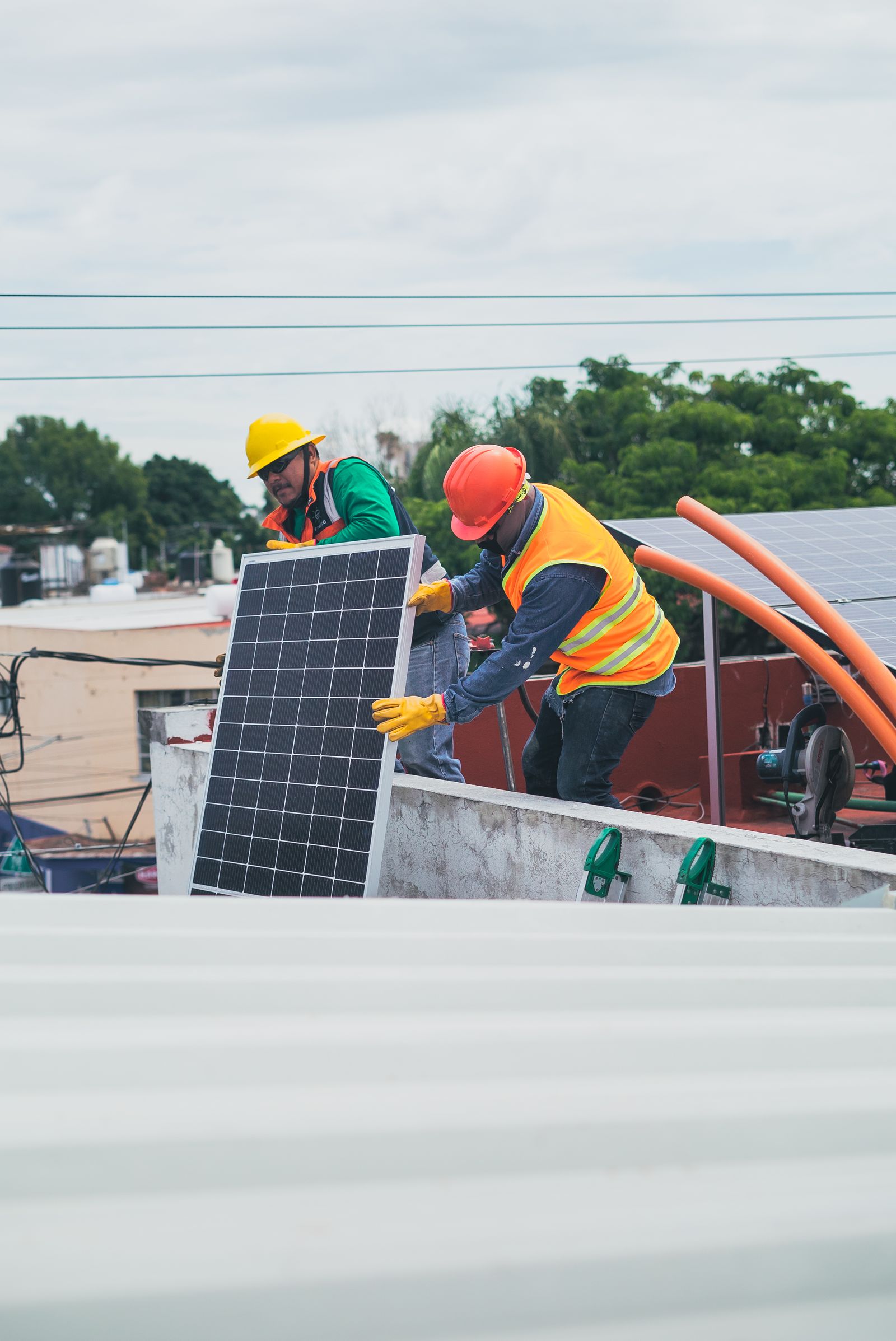
Agree on a work schedule, access and safe separation from residents or factory operations. The installation plan should cover mounting, cable routes, electrical protection and inspection responsibilities. Electrical work and work at height belong with suitably qualified personnel; the videos on this website are industry references, not do-it-yourself instructions.
4. Test, document and hand over
Request the agreed commissioning records, equipment serial numbers, warranty documents and operating instructions. Confirm how to read monitoring information and whom to contact when an alarm appears. Handover should also identify maintenance responsibilities and any unresolved items, rather than relying only on a photograph of installed panels.
Your questions, answered
How long does solar installation take?
Timing depends on survey findings, design, approvals, equipment availability, roof work and weather. Request a schedule after the scope is confirmed rather than relying on a fixed number of days.
Can I request a site visit in Dhaka?
Contact the Uttara cooperation point with the location and project details. Visit availability, any fee and the technical survey scope must be agreed before travel.