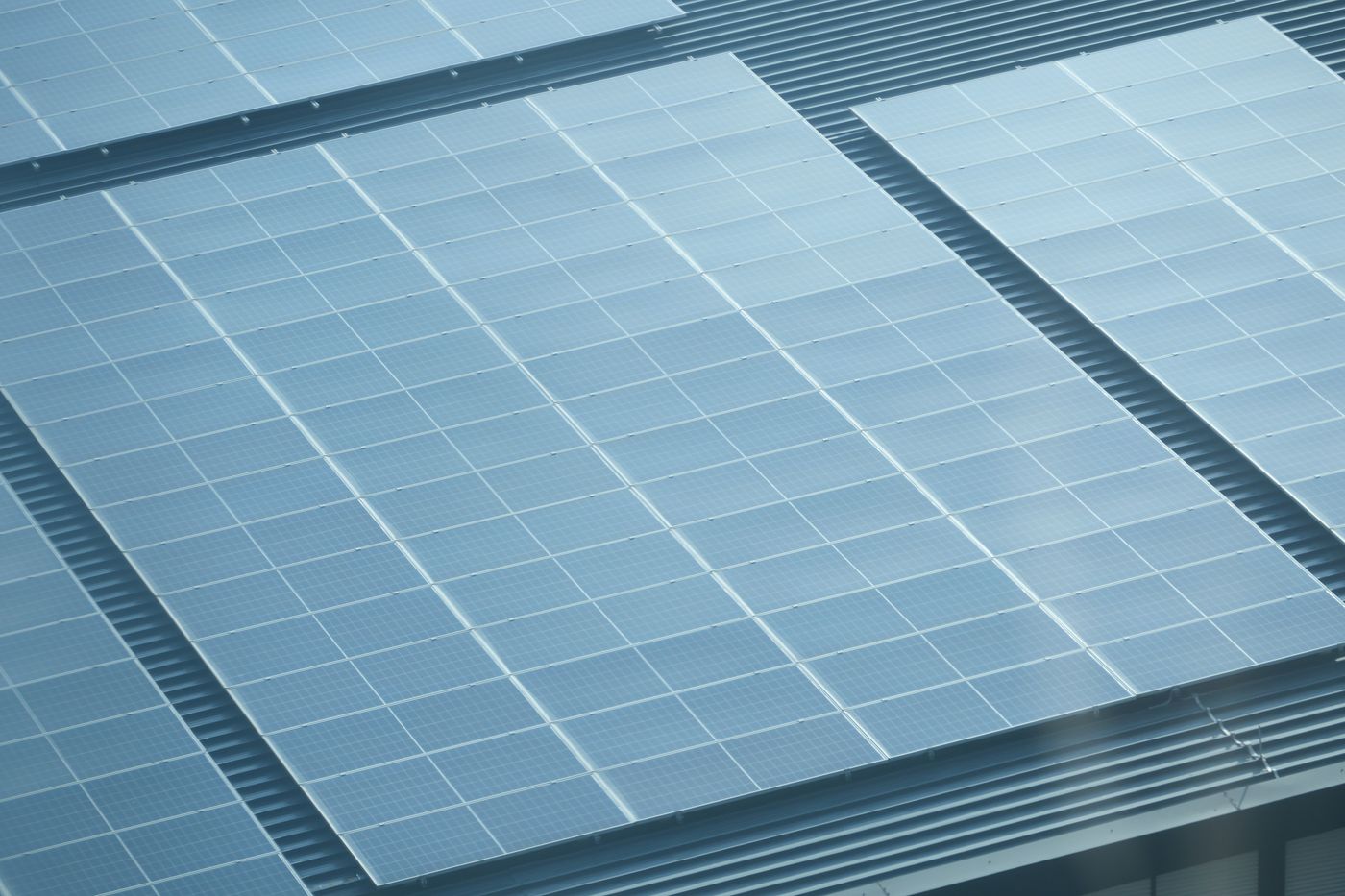
Which rooftops are suitable?
Houses, apartment buildings, offices and warehouses need different layouts. Start with usable roof area rather than total floor area. Water tanks, nearby buildings, access routes and future construction can affect panel placement. For shared roofs, confirm the owner's permission and how the electricity will be used before sizing the system.
On-grid, hybrid or off-grid?
An on-grid system is a starting point for reviewing daytime electricity use. If your goal also includes power during outages, discuss a compatible hybrid inverter, battery and separate backup circuits. An ordinary grid-connected solar system should not be assumed to power your building during a blackout. Off-grid operation needs a separate assessment of demand and autonomy.
What the roof assessment should cover
Ask for a site-specific review of roof condition, structural capacity, waterproofing, shading and safe maintenance access. A concrete roof and a metal-sheet roof require different mounting details. The proposal should explain where equipment will sit, how cables will run and who is responsible for any roof work.
From your electricity bill to a proposal
Send recent electricity bills, your location and roof photographs. Haozailai's Bangladesh cooperation point can discuss the project and coordinate the proposed equipment and installation scope. Capacity, estimated generation, approvals, warranties and costs must be confirmed for the actual site; they are not fixed by roof area alone.
Your questions, answered
Can solar panels be installed on an apartment roof?
Potentially, but roof rights, structural suitability, available space and the electricity connection must be checked. Agree with the owners on which loads or meter the system will serve.
How many solar panels do I need?
That depends on the proposed module rating, usable layout, electricity demand and connection conditions. A site assessment is more useful than a generic panel count.